
Custom Reverse Osmosis System Design & Manufacturing
Engineered-to-specification desalination systems matched precisely to your water source chemistry, daily capacity requirements, and operational constraints.
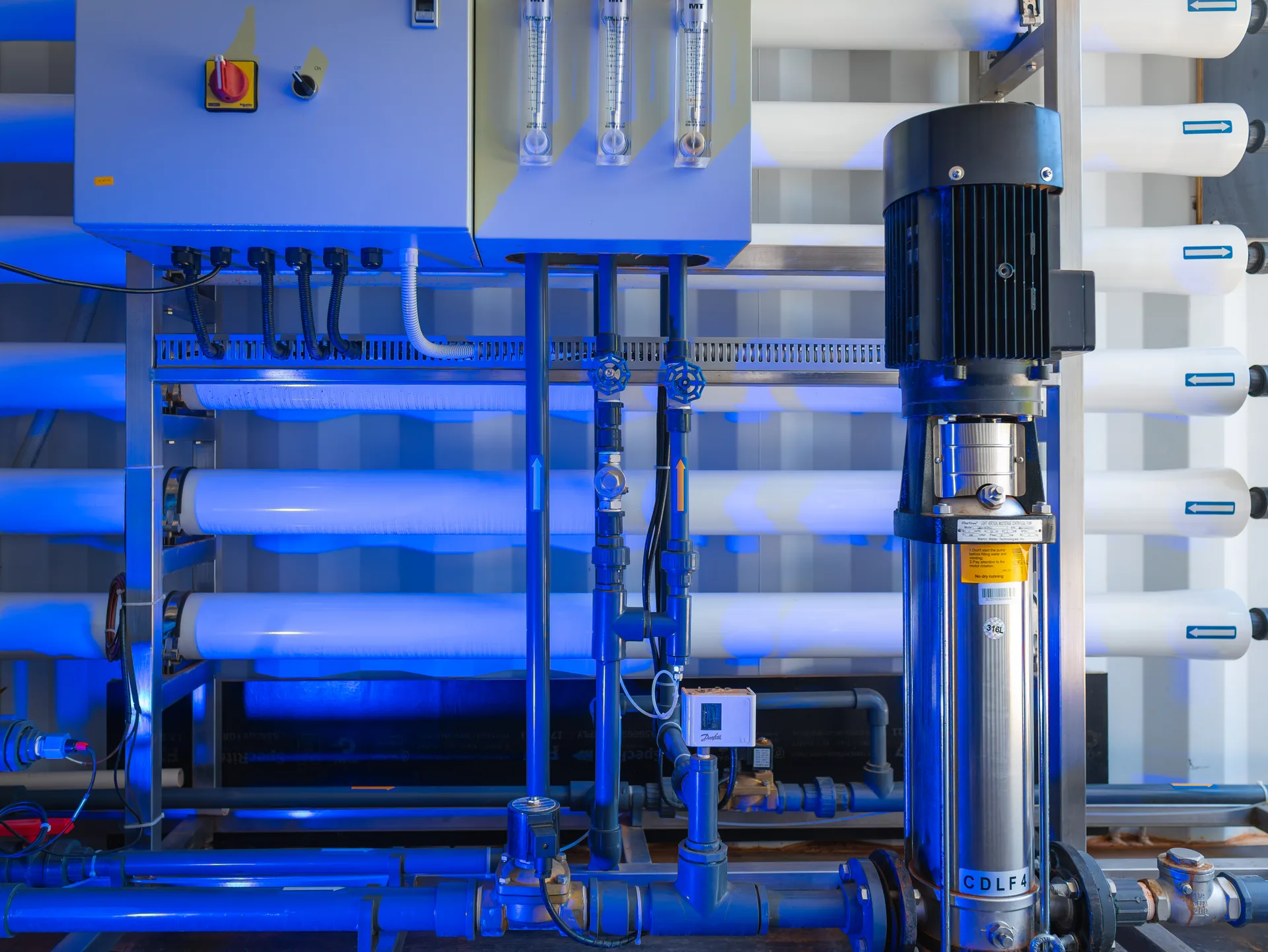
Purpose built reverse osmosis systems provide optimised performance for non-standard water sources, site-specific integration and specialised configurations for unusual capacity requirements.
When Custom Engineering Is Required
Water Chemistry Challenges
Operational Constraints
Capacity Requirements
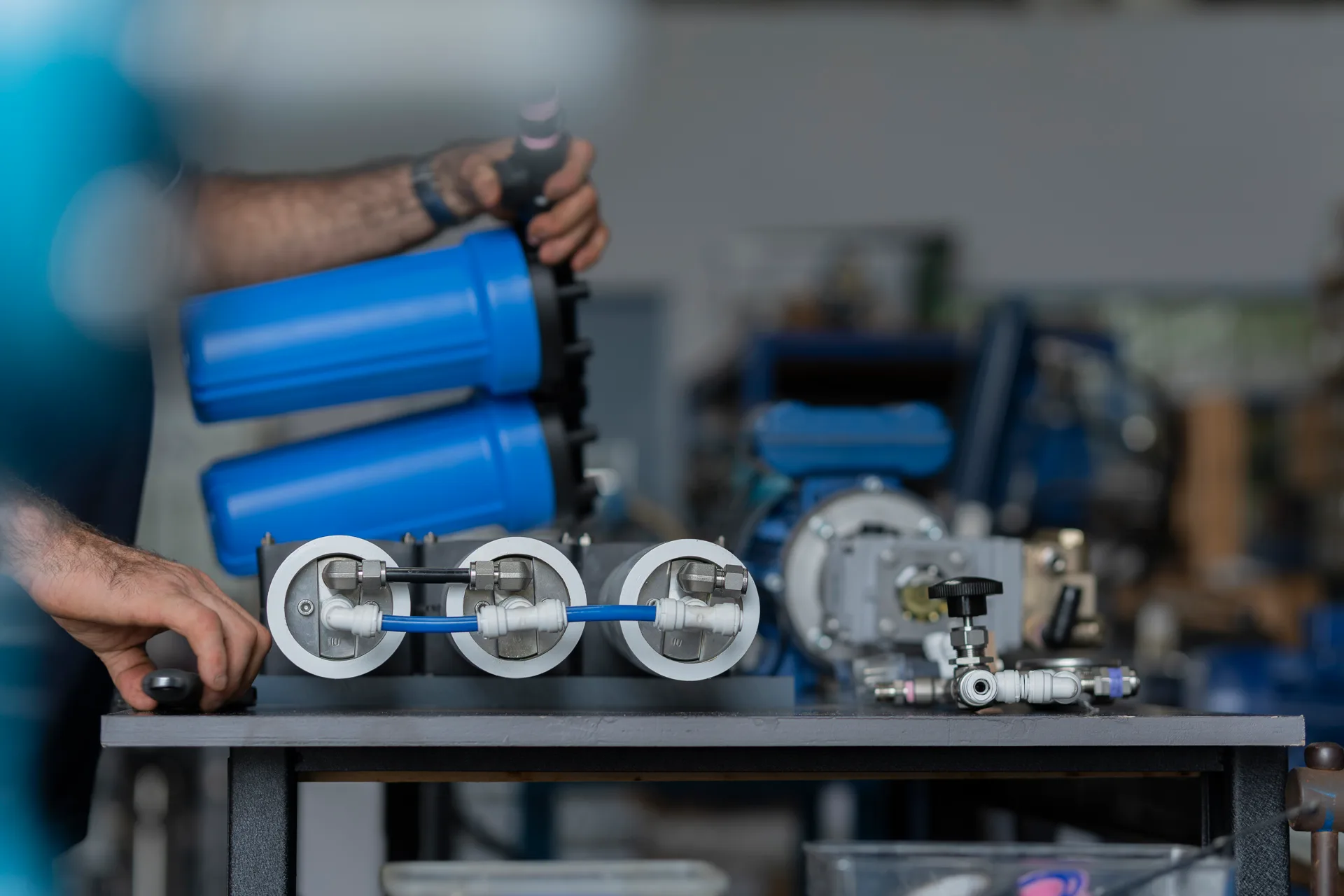
Our Engineering Process
Requirements & Site Assessment
For bore, dam, or brackish water supply we collect samples from your source to undergo proper sampling protocols, ensuring accurate analysis and optimal system design.
Water Sampling & Analysis
Comprehensive testing identifies TDS, pH, hardness, contaminants, and all parameters affecting RO performance. This data forms the foundation for accurate system specification.
Water Chemistry Modelling
We specify the optimal membrane selection, pre-treatment, capacity, and materials—engineered specifically for your application.
System Design & Manufacture
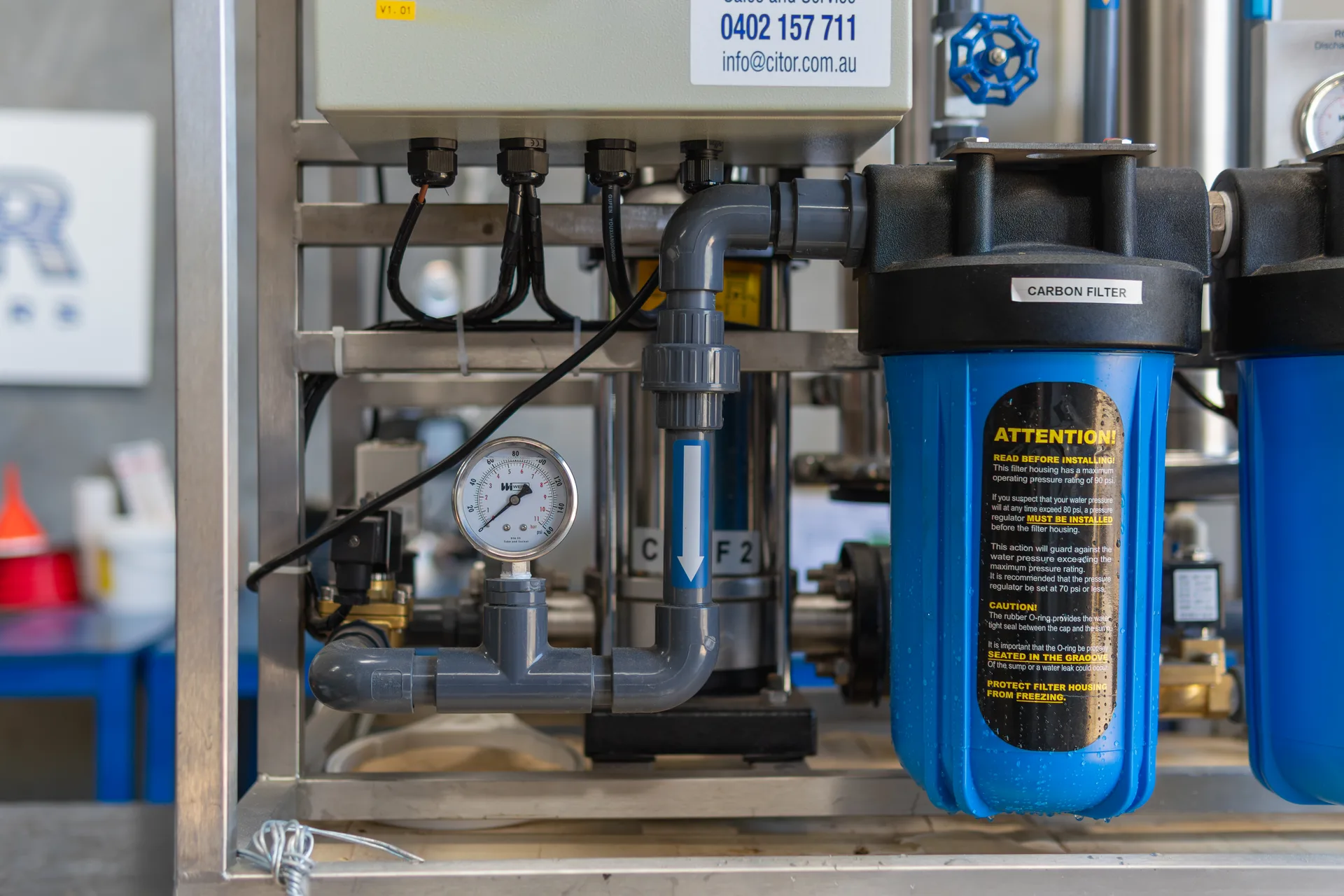
Hand-built at our Perth facility with rigorous quality control. Every system undergoes comprehensive testing before dispatch.
Site Commissioning
Your custom-built system delivers consistent, high-quality drinking water with predictable efficiency and lasting performance. Commissioning establishes baseline performance metrics used for ongoing monitoring and maintenance planning.
Recent Desalination Projects
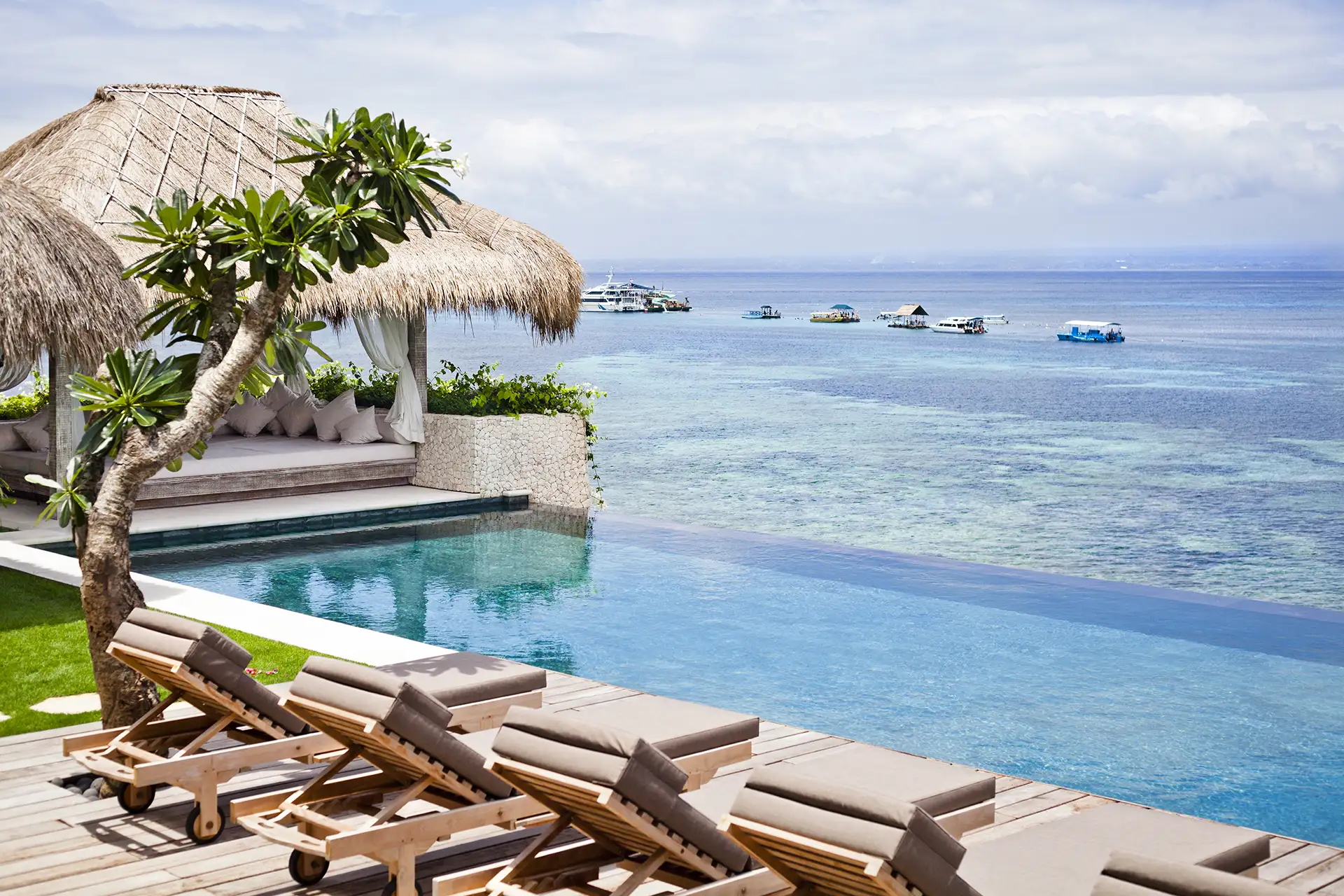
Nusa Lembongan, Bali, Indonesia
Villa Biru, Nusa Lembongan
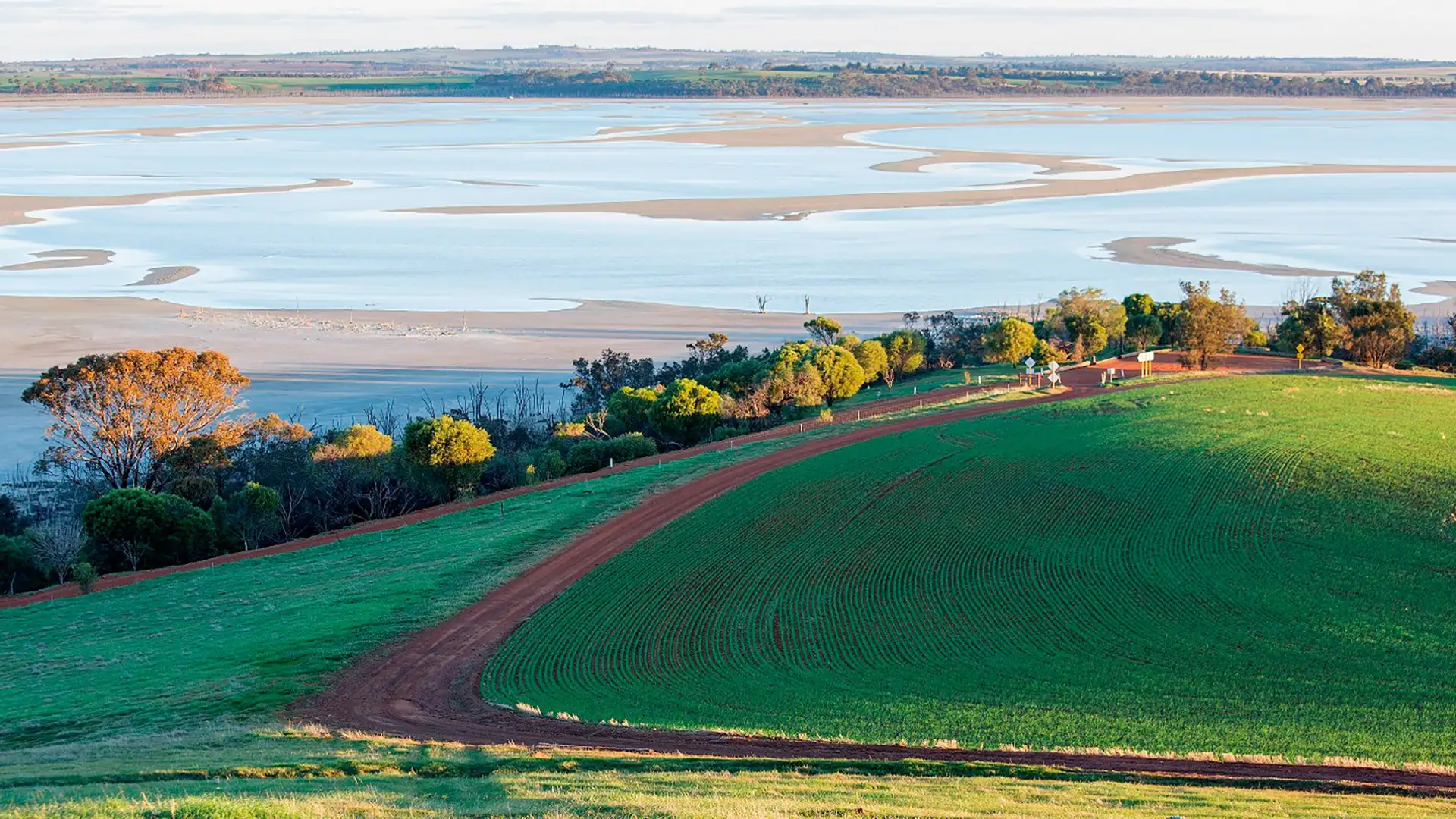
Dumbleyung, Western Australia
Community-Scale Desalination for the Shire of Dumbleyung
FAQs
Answers to common questions about custom-engineered CITOR systems, certifications and lead times.
CITOR reverse osmosis systems are designed and manufactured to Australian and international standards:
Electrical Standards:
AS/NZS 3000 (Wiring Rules): Australian Standard for electrical installations.
- All electrical work complies with AS/NZS 3000 requirements
- Certified by licensed electricians
- Compliance documentation provided
AS/NZS 3008 (Cable Selection): Cable sizing and protection standards.
AS/NZS 60204 (Safety of Machinery – Electrical Equipment): Industrial machinery electrical safety.
- Emergency stop systems
- Safety interlocks
- Electrical protection devices
IP Rating: Electrical enclosure protection against dust and water ingress.
- Control panels: Minimum IP54 (dust protected, splash resistant)
- Outdoor installations: IP65 or higher specifications available
Mechanical Standards:
AS/NZS 1210 (Pressure Equipment): Unfired pressure vessels.
- Pressure vessels designed and manufactured to AS/NZS 1210 where required
- Design verification and documentation
- Pressure testing and certification
AS 4041 (Pressure Piping): Pressure piping design and fabrication.
For most applications, RO desalination demonstrates favourable environmental performance compared to alternatives when full life cycle is considered, particularly where:
- Alternative is water trucking over significant distances
- Groundwater resources are limited or over-allocated
- Bottled water consumption would otherwise occur
CITOR systems can be specified for enhanced sustainability:
- Renewable energy compatible designs
- Energy-efficient components and configurations
- Minimal chemical dosing through optimised pre-treatment
- Long service life reducing embodied energy amortisation
- Locally manufactured equipment reducing transport emissions
Yes. Custom reverse osmosis system design is a core CITOR capability. Standard models suit many applications, but unique requirements benefit from engineered-to-specification systems. Custom systems most commonly relate to space restrictions or component layouts for which standard units are not suitable.
Proper system sizing requires analysis of several factors:
1. Daily Water Demand
Typical consumption guidelines:
- Marine vessels: 40–80 litres per person per day
- Mining camps: 100–200 litres per person per day (includes showers, laundry, kitchen)
- Resort facilities: 200–400 litres per person per day (includes pools, landscaping, amenities)
- Industrial applications: Project-specific based on process requirements
2. Operating Schedule
Systems don't need to operate 24 hours daily. Many installations run 8–12 hours per day to meet daily requirements, however all CITOR units are rated for continuous duty.
3. Source Water Quality
Water chemistry affects production rate. High-salinity sources require higher pressure and may have lower recovery rates. Challenging chemistry may require pre-treatment that can foul membranes, damage components, and reduce effective capacity.
4. Storage Capacity
Most installations include product water storage tanks to buffer supply and demand variations. Adequate storage reduces required system oversizing and provides backup during maintenance.
CITOR engineers work with clients to analyse these factors and specify appropriate system capacity.
Seawater and brackish water desalination differ primarily in source water salinity and the resulting operating requirements:
Seawater Desalination (SWRO):
- Source TDS: 7,000–45,000 PPM (parts per million)
- Operating pressure: 20–55 bar (300–800 PSI)
- Applications: Coastal facilities, marine vessels, offshore platforms, island resorts
- Energy consumption: Higher due to increased pressure requirements
- Membrane type: Sea water membrane, specifically designed for high-salinity applications
- Recovery rate: Typically 10–30% of feed water converted to product water
Brackish Water Desalination (BWRO):
- Source TDS: 1,000–7,000 PPM
- Operating pressure: 10–15 bar (150–250 PSI)
- Applications: Agricultural bore water, inland groundwater, industrial sources
- Energy consumption: Significantly lower than seawater treatment
- Membrane type: Brackish water membranes, optimized for moderate salinity levels
- Recovery rate: Typically 60–85% depending on water chemistry
Both processes use reverse osmosis membrane technology, but system components (pumps, pressure vessels, membranes, materials) are specified differently based on source water characteristics. A brackish water system cannot effectively treat seawater—it lacks the pressure capacity and membrane specifications required for high-salinity applications.
Standard systems: 2–6 weeks from contact to commissioning
Custom systems: 2–16 weeks from contact to commissioning
Unsure if you need a custom system?
Many requirements are covered by our standard AVRO brackish and TSA seawater ranges — search by feed water TDS and daily output to see what fits.
Beyond Salinity — Targeting Specific Contaminants
Source water rarely fails on salt alone. Reverse osmosis removes dissolved metals, nutrients, and biological matter that standard filtration leaves behind — bringing brackish groundwater and contaminated sources up to drinking water and process standards.
The minerals that scale equipment and ruin taste — TDS, calcium and magnesium hardness, iron, and manganese. Reverse Osmosis strips them out to protect downstream plant and deliver consistently clean water.
Nitrates, fluoride, arsenic, and heavy metals common in agricultural bore water and remote groundwater. RO membranes reject these to levels that meet Australian drinking water guidelines.
Bacteria, pathogens, organic compounds, and turbidity. Membrane rejection paired with the right pre-treatment and optional UV gives a multi-barrier defence for safe potable supply.
Every contaminant problem starts with a water sample. Send us yours and we'll run a full analysis — TDS, pH, hardness, and contaminant profile — then design a system that removes exactly what your source water carries.
REQUEST A WATER ANALYSIS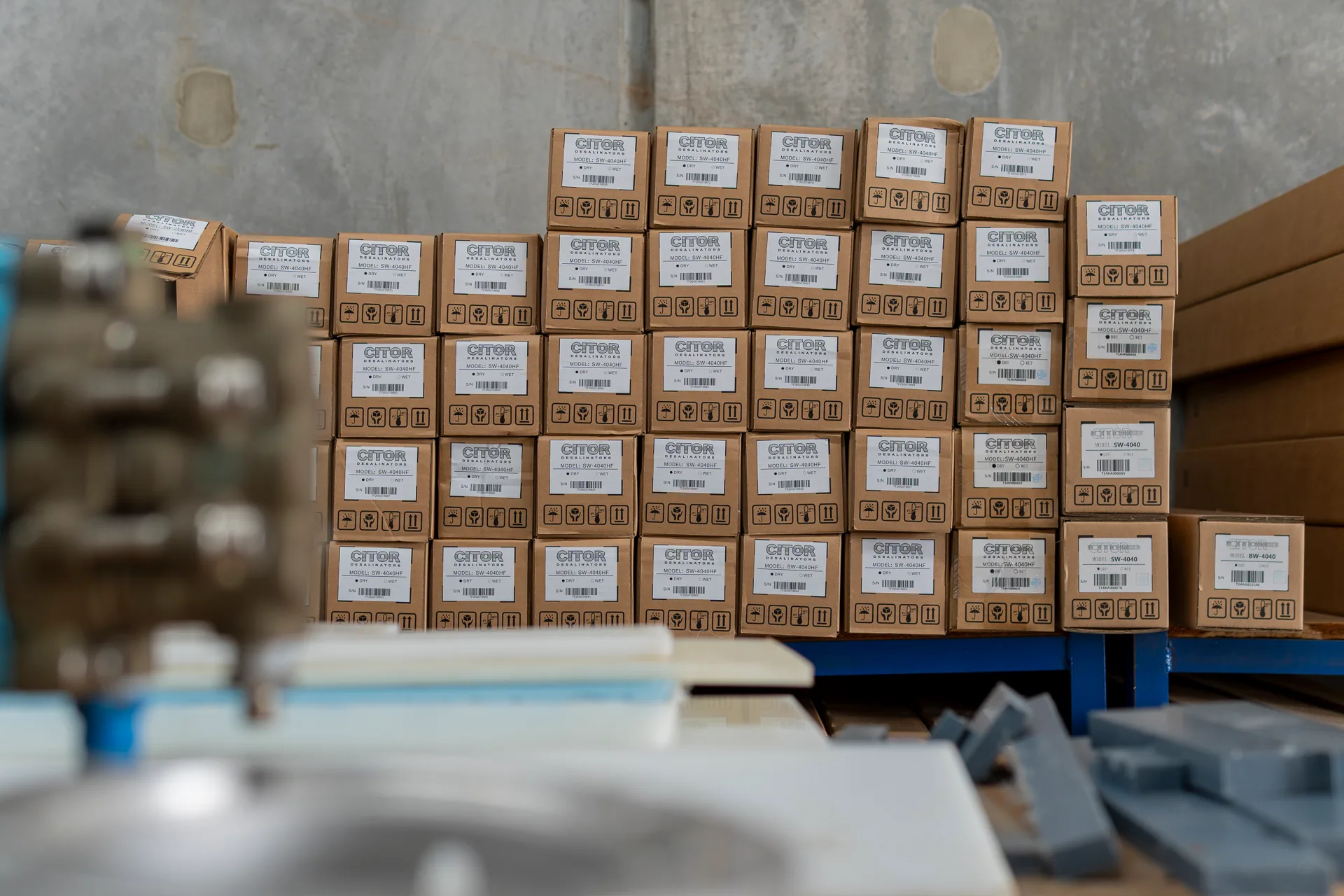
Extensive Spare Parts Catalogue
Available for shipping nationally and internationally with immediate dispatch