CITOR CASE STUDY
Community-Scale Desalination for the Shire of Dumbleyung
Project Snapshot
A 10,000 L/day CITOR reverse osmosis unit delivering reliable 24/7 water for the Shire of Dumbleyung under WA's WaterSmart Farms desalination trial.
The Brief
CITOR supplied a 10,000 L/day reverse osmosis unit for the Shire of Dumbleyung as part of WaterSmart Farms — a Western Australian Government programme trialling decentralised desalination as a climate-resilient water source for Wheatbelt communities. Dumbleyung was one of four trial sites selected alongside Merredin, Katanning and Wongutha, backed by $400,000 in State Government funding under the broader $5 million WaterSmart Farms Industry Development program.
Shires were selected through a competitive expression-of-interest process managed by the Wheatbelt Development Commission, assessed on their vulnerability to water deficiency, existing groundwater bore and storage infrastructure, and capacity to safely dispose of reject water. With Murdoch University leading the desalination research stream, the unit was to be monitored over an extended operating period to evaluate real-world reliability, maintenance demands and life-cycle costs.
The Engineering Challenge
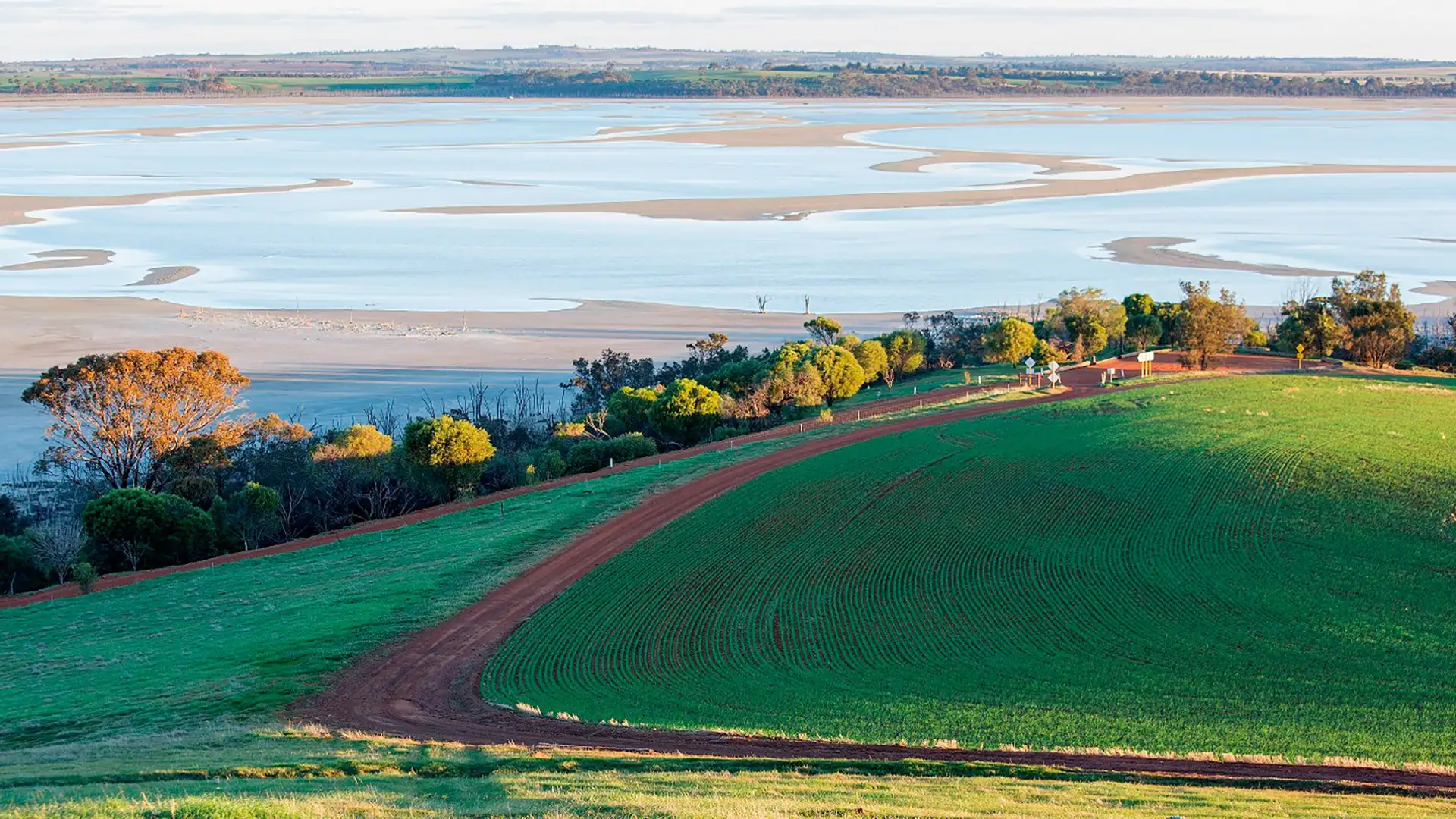
Dumbleyung's proximity to the region's salt lake systems meant groundwater salinity was exceptionally high — well beyond typical brackish conditions and demanding seawater-grade treatment capability from a system operating inland.
Two parameters governed the design. Product water recovery had to be maximised, extracting the greatest possible yield of usable water from every litre drawn from a stressed water table. Simultaneously, brine discharge volume and quality had to remain within the strict environmental parameters set by the study — reject water management being a central research focus of the WaterSmart Farms programme across all four sites.
The Approach
Rather than deploying a fixed configuration, CITOR worked through an iterative optimisation programme on site. Multiple membrane types, pump configurations, flow rates, operating pressures and cleaning schedules were trialled and assessed. Production rate, product water quality and brine discharge were continuously monitored throughout, with performance data feeding directly into the Murdoch University research programme.
The Outcome
The unit has delivered reliable 24/7 water production for the Shire, supporting the ongoing viability of ageing local infrastructure including the Dumbleyung community swimming pool.
Beyond supply, the installation produced an unanticipated benefit: continuous groundwater extraction lowered the water table immediately adjacent to the site, easing salinity pressure on Shire assets. The volume of water generated also allowed the Shire to secure further funding for large-scale storage tanks, now used to irrigate Shire grounds and facilities and to serve as a dedicated water collection point for local fire services during bushfire events.

Engineering Challenges
- Hypersaline groundwater treatment — feed salinity elevated well beyond standard brackish parameters due to proximity to salt lake systems
- Recovery rate optimisation to maximise yield per litre extracted from a constrained water table
- Brine discharge management within specified environmental parameters
- Continuous performance monitoring and data capture for third-party research validation
- Iterative on-site configuration testing across membranes, pumps, flow rates, pressures and cleaning regimes
- Unattended 24/7 operation with minimal on-site technical support available
System Specification
- 10,000 L/day capacity reverse osmosis unit
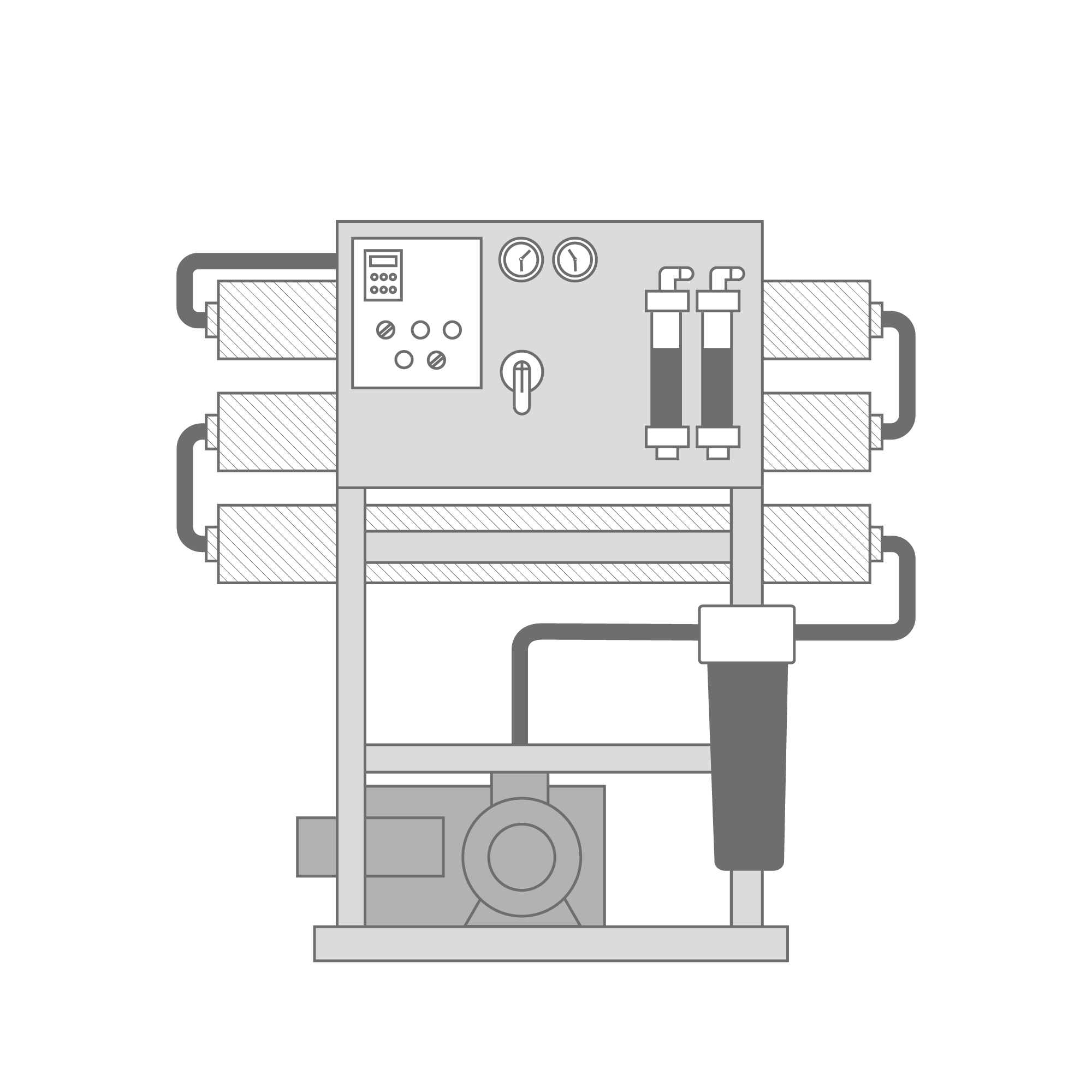
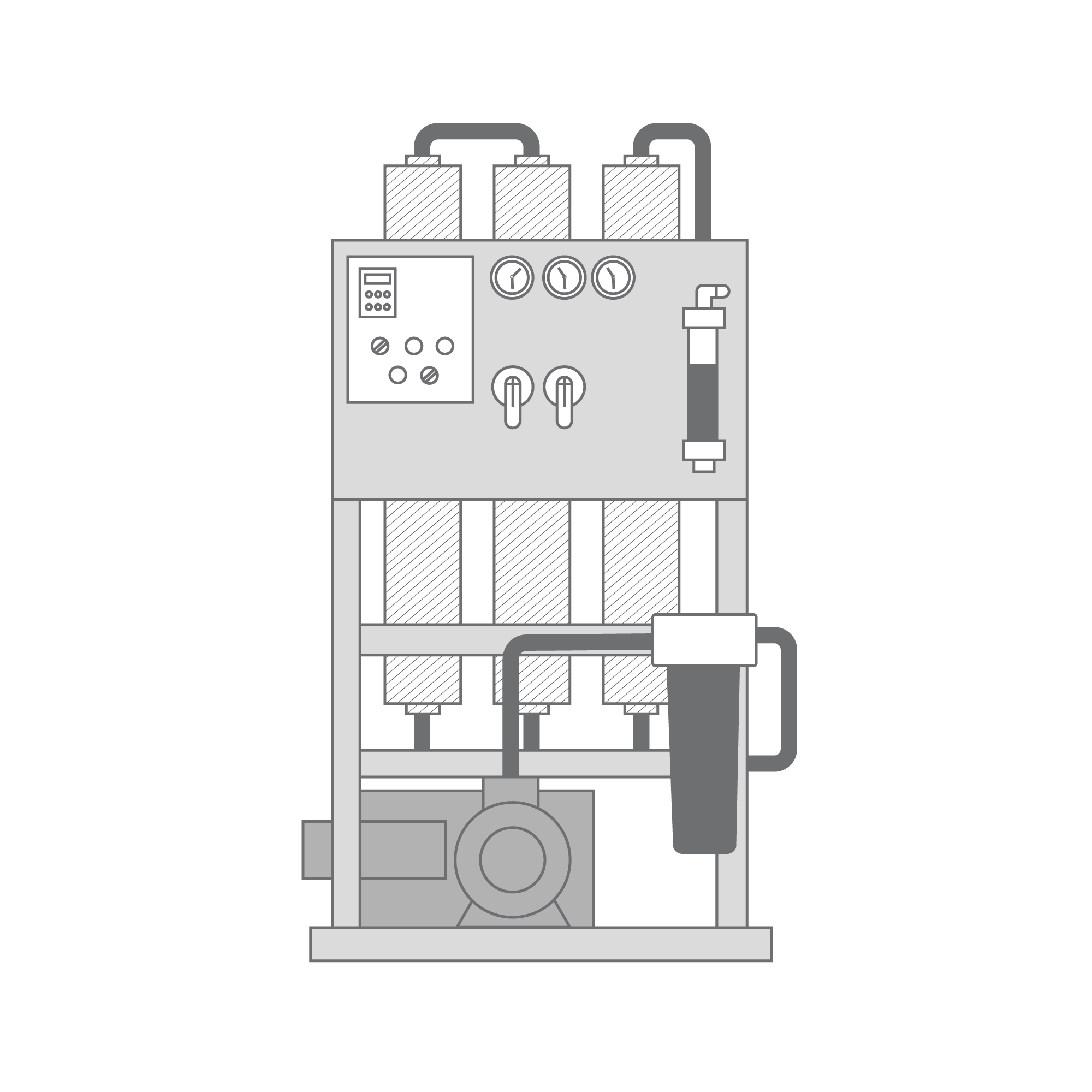
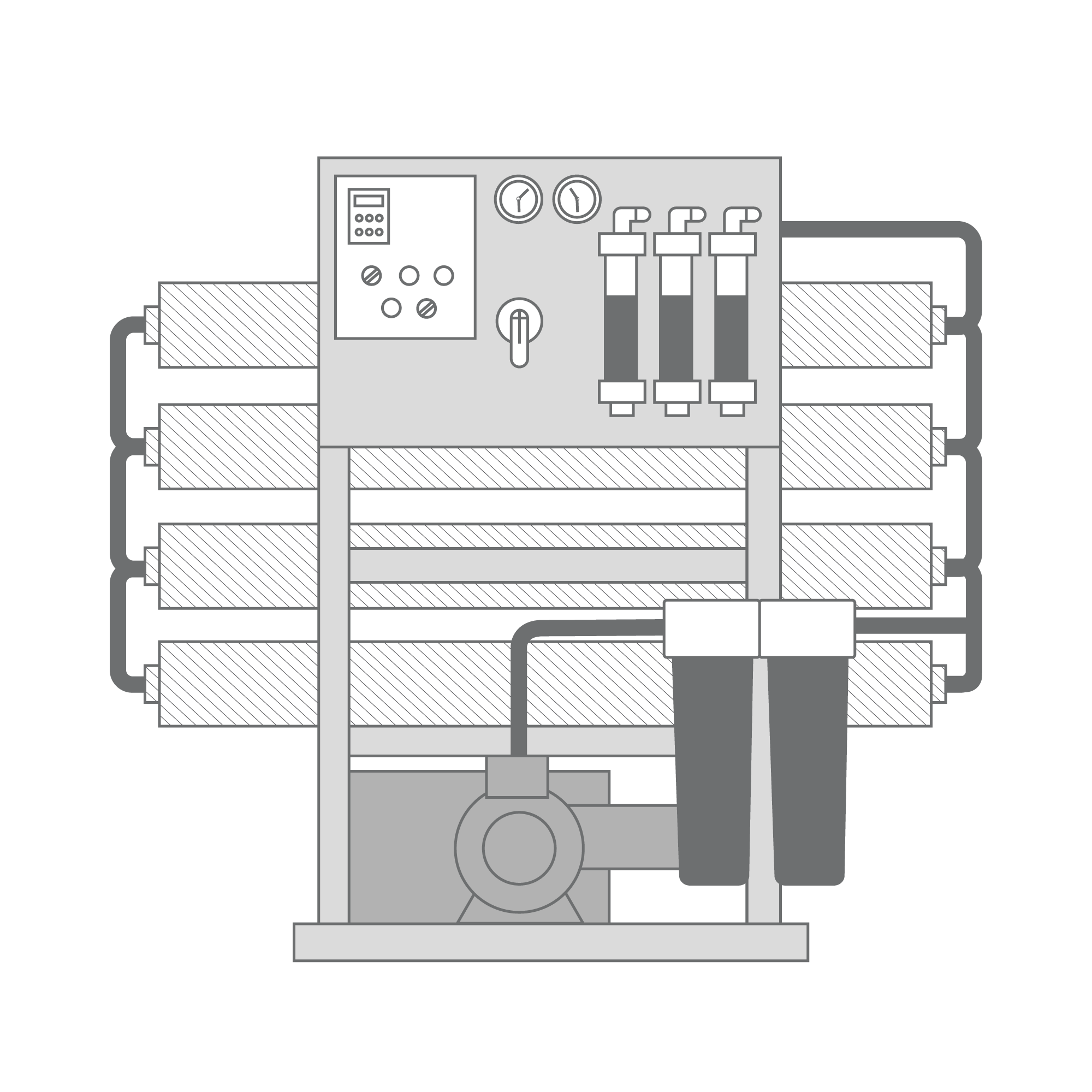
- 4 × SW4040 seawater membranes
- Spek 12/15 high-pressure pump with 5.5 kW three-phase motor
- No pre-treatment stage
- 415V three-phase power supply
- On-site control room with continuous monitoring by an on-site operator
Results Achieved
- Reliable 24/7 potable water production for the Dumbleyung community
- Groundwater table lowered adjacent to the site, easing salinity pressure on ageing Shire infrastructure
- Supported repairs and ongoing operation of the community swimming pool
- Enabled the Shire to secure additional funding for large-scale water storage tanks
- Established a dedicated water collection point for local fire services during bushfire events
- Performance data contributed to Murdoch University's desalination research programme
More Desalination Projects
Dumbleyung, Western Australia
Community-Scale Desalination for the Shire of Dumbleyung
A 10,000 L/day CITOR reverse osmosis unit delivering reliable 24/7 water for the Shire of Dumbleyung under WA's WaterSmart Farms desalination trial.